
Dai (DAI) is a decentralized stablecoin on the Ethereum blockchain that strives to maintain a soft 1:1 peg with the US dollar. Unlike centralized stablecoins such as USDC or USDT, it is minted through the Maker Protocol (rebranded as Sky) and backed by a surplus of cryptocurrency collateral locked in publicly verifiable smart contracts.
As of 2026, Dai (DAI) remains one of the most widely used and trusted decentralized stablecoins in DeFi. It offers users censorship resistance, full on-chain transparency, and programmable money without relying on traditional banking reserves or centralized issuers. DAI continues to serve as a foundational asset for lending, borrowing, yield generation, and payments across the decentralized finance ecosystem.
Key Takeaways
- Dai (DAI) is a decentralized, overcollateralized stablecoin soft-pegged to the US dollar through smart contracts.
- It is generated by locking crypto collateral in Maker Vaults, removing the need for centralized custody.
- Key features include the Dai Savings Rate (DSR), censorship resistance, and deep DeFi integrations.
- Governance is managed by the MakerDAO community through the MKR/SKY governance token.
- BingX stands as the top choice for trading Dai (DAI) with deep liquidity and low fees.
What Is Dai (DAI) Decentralized Stablecoin?
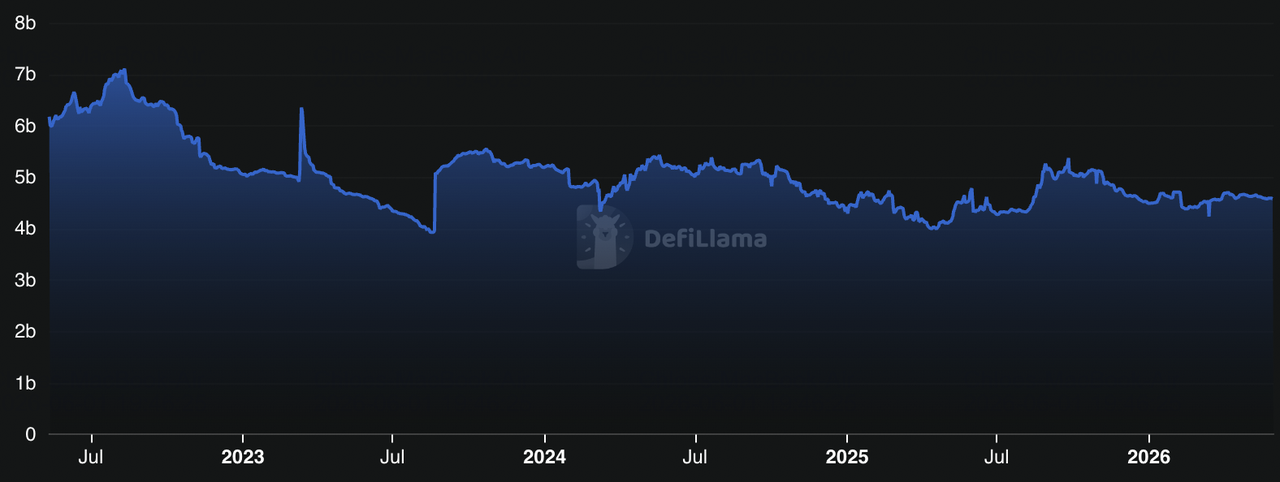
Source: DAI Market Cap. Defillama
Dai (DAI) is a decentralized, crypto-collateralized stablecoin governed by the Maker Protocol (often referred to as Sky). Launched in 2017, it was designed to provide a stable, trustless digital dollar within the volatile crypto market. Its primary goal is maintaining a 1:1 soft peg to the US dollar through overcollateralization, autonomous smart contract mechanisms, and community governance via the MKR token.
Unlike fiat-backed stablecoins controlled by centralized entities, Dai (DAI) operates entirely on-chain. Users deposit approved collateral assets into smart contracts to mint DAI, creating a transparent system with no single point of failure. This makes it especially valuable for users who prioritize decentralization, censorship resistance, and programmatic control over their assets.
Read more: USDC vs. USDT: Key Differences and Which Stablecoin to Choose in 2026?
How Does Dai Stablecoin Work?
Source: Coingecko
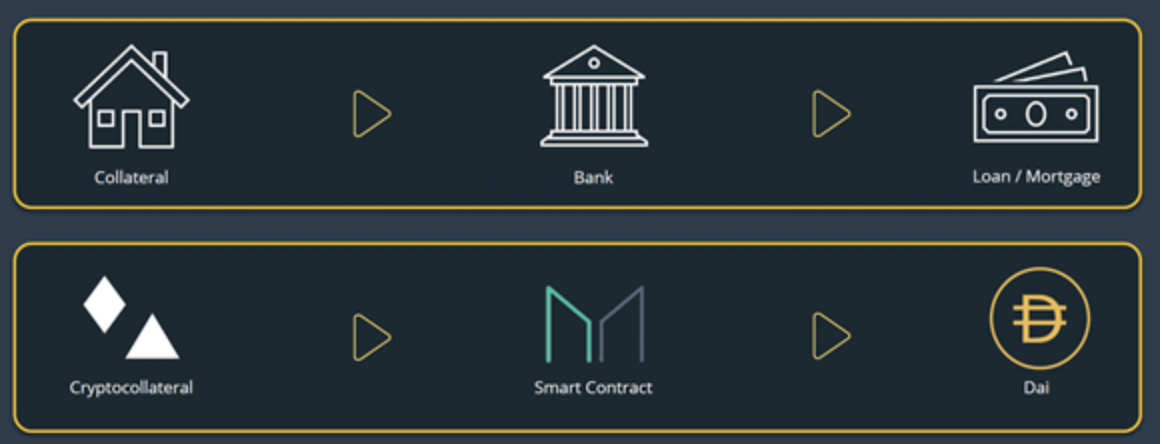
Dai (DAI) is generated when users deposit over-collateralized crypto assets (such as ETH, Wrapped Bitcoin, or other approved tokens) into Maker Vaults. This collateralized debt position allows users to borrow DAI against their assets without selling them.
To maintain the peg, the protocol uses several automated mechanisms: stability fees (variable interest rates), automatic liquidations if collateral ratios fall too low, and the Dai Savings Rate (DSR) which lets holders earn yield. If the system experiences a shortfall, the MKR governance token acts as a backstop through dilution and auction mechanisms. This fully decentralized design ensures the protocol can respond to market conditions without human intervention.
Read more: Understanding 6 Different Types of Stablecoins: A 2026 Breakdown
Key Trends and Utility of DAI Stablecoin in 2026
Dai (DAI) continues to evolve within the broader Sky ecosystem while maintaining its core decentralized principles. The protocol has expanded collateral options to include more real-world assets (RWAs), improving stability and attracting institutional interest.
DAI remains a cornerstone asset in DeFi, widely used for lending, borrowing, yield farming, collateral in other protocols, and as a stable medium of exchange. The integration of enhanced features such as improved DSR yields and cross-chain compatibility has strengthened its position as a preferred decentralized dollar in an increasingly mature decentralized finance landscape.
Read more: What Is USDai (CHIP) InfraFi for GPU-Backed Yield and How Does It Work?
Benefits and Advantages of DAI Coin
Dai (DAI) offers numerous advantages including true censorship resistance, full transparency via on-chain smart contracts, and independence from traditional banking systems. Its overcollateralized model provides strong stability while allowing users to retain exposure to their underlying crypto assets.
Holders can earn competitive yields through the Dai Savings Rate, and the decentralized governance model ensures the protocol evolves based on community consensus rather than corporate decisions. Deep integration across DeFi applications makes DAI one of the most versatile and reliable stablecoins for trading, lending, borrowing, and yield generation in the decentralized economy.
Read More: A Beginner's Guide to Stablecoins and How They Work (2026)
Dai vs. Centralized Stablecoins: Key Differences
Dai (DAI) stands apart from centralized stablecoins like USDC and USDT primarily due to its fully decentralized architecture. While centralized stablecoins rely on corporate reserves and can be frozen or blacklisted by issuers, DAI operates entirely through transparent smart contracts with no single entity having control.
This provides superior censorship resistance and auditability, though it introduces different risks such as smart contract vulnerabilities and collateral volatility. DAI's diversified collateral basket across crypto and real-world assets reduces single-point-of-failure risks common in traditional fiat-backed stablecoins, making it a preferred choice for users who value decentralization and transparency.
Read more: USDC vs. USDT: Key Differences and Which Stablecoin to Choose in 2026?
What are the Tokenomics of DAI?
Dai (DAI) features a dynamic supply with no hard cap. The total circulating supply fluctuates based on user demand for borrowing against collateral.
Supply and Minting
- DAI is minted when users lock approved cryptocurrencies into Maker Vaults.
- It is burned when users repay their loans to unlock collateral.
- There is no fixed maximum supply, issuance is elastic and driven by market demand.
Peg Maintenance
- Overcollateralization: Users must deposit more value in collateral than the DAI they generate (typically 150% or higher).
- Stability Fees: Variable interest rates help balance supply and demand.
- Liquidations: Automated smart contracts protect the system if collateral ratios fall too low.
Governance and the MKR Token
The Maker Protocol is governed by a decentralized autonomous organization (DAO). MKR (transitioning within the Sky ecosystem) is the governance token that allows holders to vote on key parameters such as collateral types, stability fees, and system upgrades. MKR also serves as a backstop mechanism. New MKR can be minted and sold to recapitalize the protocol during severe shortfalls.
How to Trade Dai on BingX
DAI is a decentralized stablecoin on the Ethereum blockchain designed to maintain a 1:1 soft peg with the U.S. Dollar. Since DAI is not yet listed on BingX, you can buy Ethereum and swap for DAI.
Buy or Sell ETH on the Spot Market
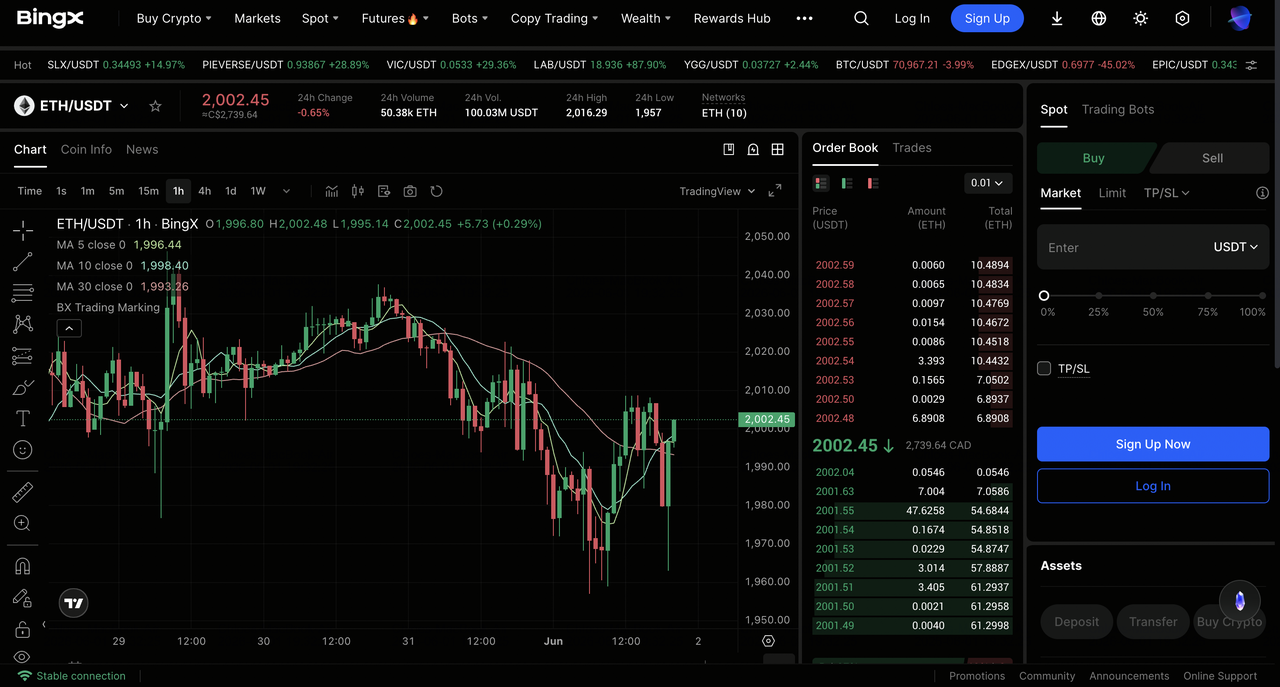
ETH/USDT trading pair on the spot market with BingX AI insights
Spot trading is ideal for long-term holders looking to build a diamond hands position.
- Create and verify your account on BingX.
- Navigate to Spot Trading and search for ETH/USDT.
- Use BingX AI-driven insights to find optimal entry points.
- Securely store your ETH in the BingX wallet.
Long or Short ETH Futures with Leverage
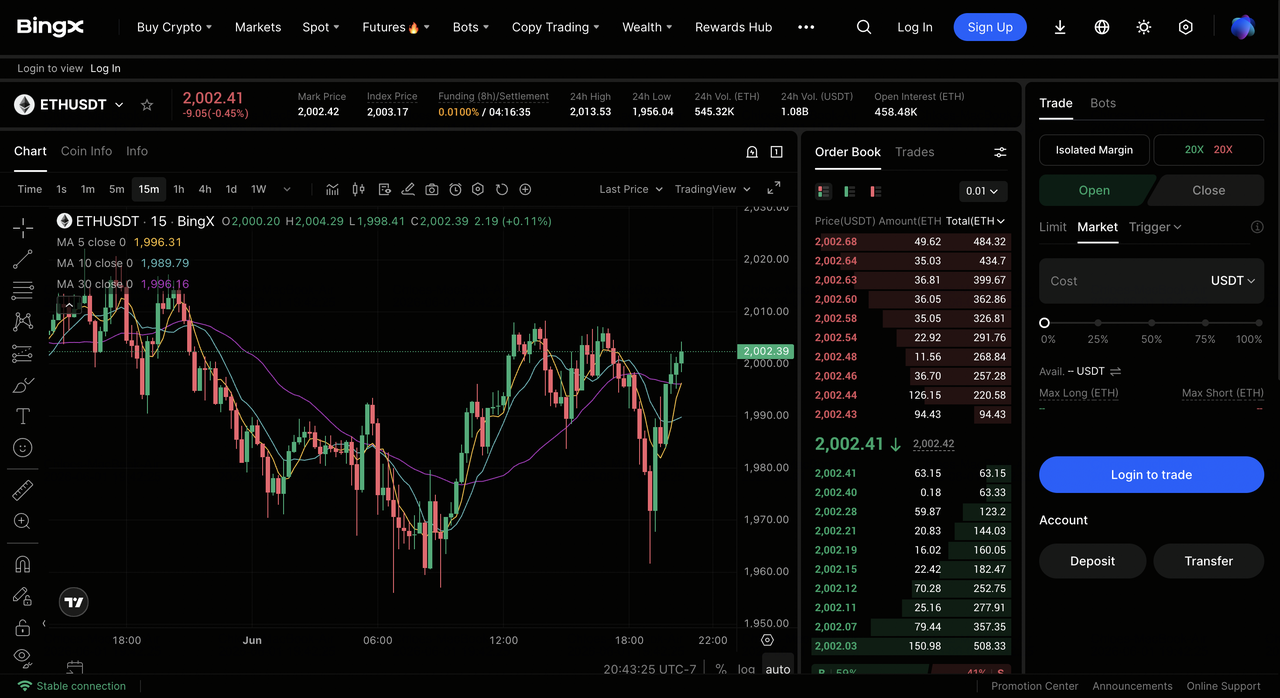
ETH/USDT perpetuals on the futures market
- Transfer USDT to your Futures Account.
- Select the ETH/USDT Perpetual Contract.
- Apply up to 150x leverage with professional risk management tools.
- Set Stop-Loss and Take-Profit to protect against sudden whale movements.
Swap from ETH to DAI Using a DEX to get DAI/USDS
If you specifically want DAI, you will need to send your ETH to a Web3 wallet like MetaMask or Trust Wallet:
- Withdraw ETH: Go to BingX Assets and withdraw your ETH using the Ethereum (ERC-20) network to your self-custody wallet.
- Swap on a DEX: Connect your wallet to a decentralized exchange like Uniswap or 1inch.
- Swap ETH to USDS/DAI: You can trade your ETH for DAI or USDS directly on the Ethereum mainnet.
Conclusion: Why You Should Trade Dai on BingX
Dai (DAI) remains a cornerstone of decentralized finance in 2026 thanks to its censorship-resistant design, transparent overcollateralized backing, and strong community governance. With robust DeFi integrations and ongoing ecosystem developments, it continues to offer reliability and utility in the volatile crypto market.
BingX serves as the top choice for trading Dai (DAI), offering deep liquidity, low fees, and seamless integration for both spot and futures markets. Whether holding for stability, participating in DeFi, or trading opportunities, BingX enables efficient and secure management of DAI holdings.
As decentralized stablecoins play an increasingly important role in the crypto economy, trading Dai (DAI) on reliable platforms like BingX provides users with transparency, control, and confidence in navigating the evolving digital asset landscape.
Related Reading
- What Are the Top Stablecoins in the Solana Ecosystem(2026)?
- What Are the Top 5 Commodity‑Backed Stablecoins to Know in 2026?
- What Are the Top 4 Algorithmic Stablecoins to Know in 2026?
- Top Euro‑Pegged Stablecoins to Know in 2026
- What Is the U.S. Crypto Week 2026 and How Could It Impact Bitcoin, Stablecoins, and Altcoins?
- Understanding 6 Different Types of Stablecoins: A 2026 Breakdown
- What to Know About the GENIUS Act as Stablecoins Soar Above $250 Billion
