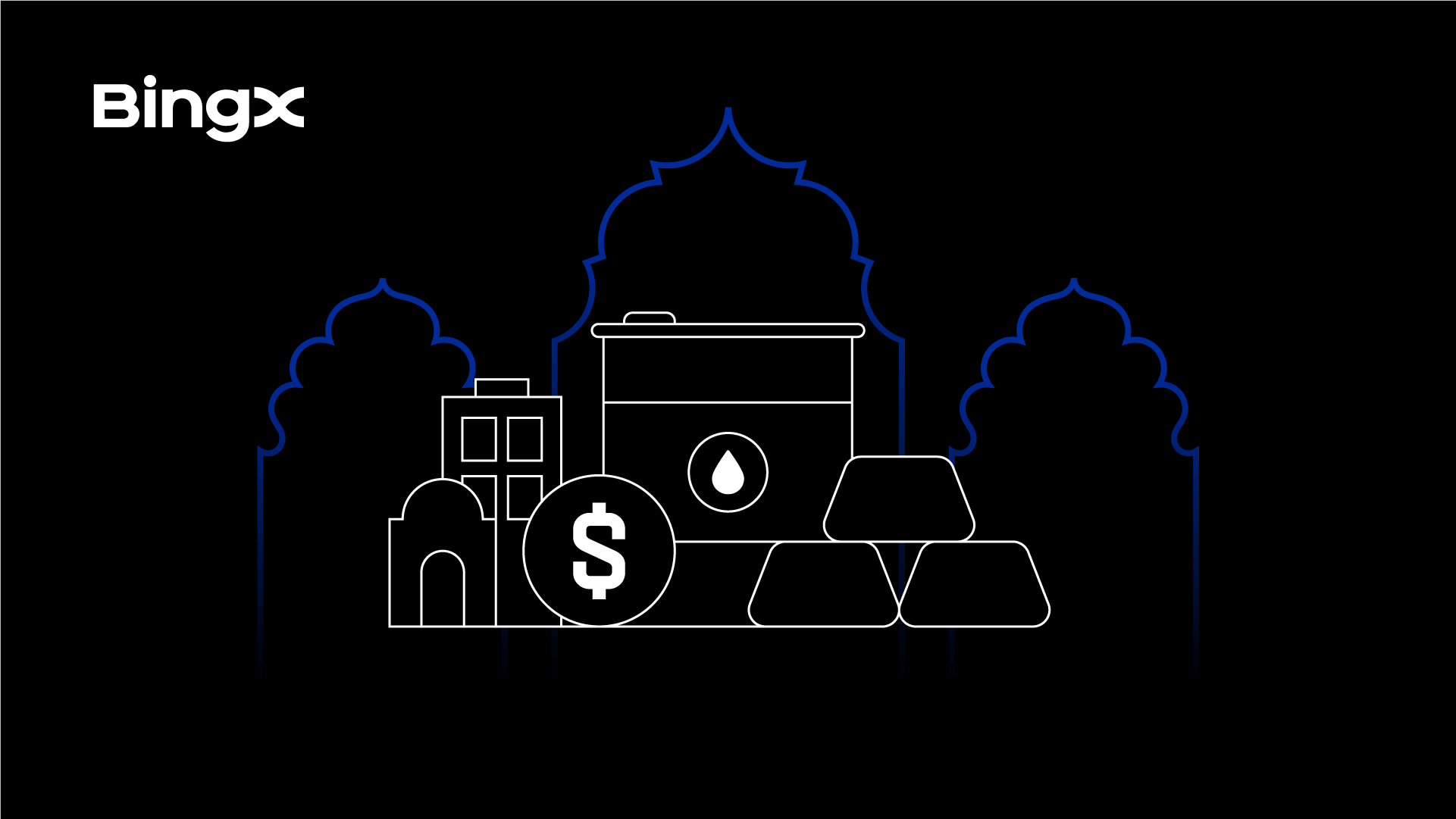
Real World Assets (RWAs) are quickly becoming one of the most important trends in the crypto and blockchain industry. As investors look beyond speculative tokens, RWAs are helping bridge the gap between traditional finance and digital assets, particularly in the Middle East, where demand for tangible, regulated, and asset-backed investments remains strong.
What Are Real World Assets (RWAs)?
Real World Assets refer to physical or traditional financial assets that are tokenized and represented on the blockchain. While the asset itself exists off-chain, ownership or economic rights are recorded digitally through blockchain-based tokens.
Common examples of RWAs include:
-
Real estate (commercial and residential)
-
Commodities such as gold and energy-linked assets
-
Treasury bills and government bonds
-
Private credit, invoices, and structured products
-
Funds and institutional-grade assets
Tokenization enables these assets to be fractionalized, transferred more efficiently, and accessed by a broader range of investors, while maintaining a connection to real economic value.
Why RWAs Matter in Today’s Crypto Market
One of the main challenges in crypto markets has been high volatility and limited linkage to real-world value. RWAs address this by introducing assets that have established demand, predictable cash flows, or intrinsic worth.
For investors, this means:
-
Lower correlation to high-beta crypto assets
-
Exposure to traditional markets through blockchain rails
-
Greater predictability and risk control
-
Opportunities for diversification within digital portfolios
As a result, RWAs are increasingly seen as a foundation for sustainable crypto adoption, rather than a short-term trend.
Why RWAs Are Gaining Traction in the Middle East
The Middle East, particularly the UAE and Saudi Arabia, is emerging as a key market for RWA adoption due to several structural factors.
-
Strong Cultural Preference for Tangible Assets: Investors across the GCC have long favored real estate, gold, and infrastructure-backed investments. RWAs align naturally with this mindset by offering blockchain-based access to familiar asset classes.
-
Growing Regulatory Clarity: Jurisdictions such as the UAE have made significant progress in defining frameworks for digital assets, tokenization, and custody. This regulatory momentum provides the legal certainty required for real-world assets to move on-chain responsibly.
-
Demand for Portfolio Diversification: As regional investors become more macro-aware, there is growing interest in combining crypto exposure with assets that behave more like traditional investments. RWAs enable this convergence without requiring investors to exit the digital asset ecosystem.
-
Institutional and Enterprise Interest: Tokenization is increasingly explored by banks, developers, and asset managers in the region as a way to improve liquidity, streamline settlement, and expand investor access, particularly for high-value assets.
Real World Assets represent one of the most promising developments in blockchain today, not because they are new, but because they are familiar. By connecting real economic value with digital infrastructure, RWAs offer a pathway for crypto markets in the Middle East to evolve from speculative participation toward sustainable, long-term integration with global finance.
As regulation, technology, and investor understanding continue to advance, RWAs are likely to become a foundational layer in the region’s digital asset ecosystem.